Frozen shoulder can make everyday tasks feel strangely complicated. Reaching the seatbelt, hooking a bra strap, lifting a kettle or washing your hair all recruit a well-choreographed interplay between the ball-and-socket of the shoulder and the sliding stability of the shoulder blade. When adhesive capsulitis, the clinical term for frozen shoulder, tightens the joint capsule, that choreography unravels. Strength is not the primary problem. Stiffness and pain are. And the way you move begins to compensate, often creating a ripple of tension down the arm and into the neck and upper back.
In Croydon, people living with frozen shoulder tend to arrive at an osteopathy clinic after weeks or months of coping, hoping the stiffness will lift on its own. Some have a clear story of onset after minor trauma, a bout of sleepless nights, or a period of enforced rest such as post-surgical immobilisation. Others cannot pinpoint a trigger. Either way, a careful, hands-on approach from a Croydon osteopath can help shorten the journey, restore confident movement, and teach strategies that stick.
This guide draws on clinical experience in south London and a broad understanding of shoulder biomechanics, pain science, and rehabilitation. If you are searching for a local osteopath Croydon residents trust, or wondering whether osteopathic treatment Croydon providers offer is right for adhesive capsulitis, you will find practical detail here.
What frozen shoulder really is
Adhesive capsulitis describes an inflammatory and fibrotic process in the glenohumeral joint capsule, the sleeve of connective tissue that encloses the shoulder joint. The capsule thickens and tightens, often developing adhesions that limit the glide of the joint. The hallmark is a capsular pattern of restriction: external rotation most limited, then abduction, then internal rotation. Pain is typically deep, aching, and worse at night, particularly when rolling onto the affected side.
Clinicians often describe three overlapping stages:
- Freezing: pain dominates, motion gradually stiffens. This period can last 6 to 12 weeks, sometimes longer. Frozen: stiffness becomes the main complaint, pain settles in the background but movements hit clear end-range blocks. This phase often spans 4 to 9 months. Thawing: gradual return of range, with less pain and renewed confidence. Recovery can continue for 6 to 12 months.
These numbers are not rules. People can stride through or stall in any phase. Secondary factors like diabetes, thyroid disease, and previous shoulder surgery can lengthen the course. The good news is that most shoulders do thaw. The craft lies in making the journey shorter and more liveable.
Why it starts and why it persists
Frozen shoulder reflects more than a tight capsule. In the early phase, inflamed synovium and bursal irritation generate pain that feeds protective spasm in the rotator cuff and surrounding muscles. The brain learns to guard, changing movement patterns to avoid aggravation. Over weeks, the capsule remodels and thickens, especially in the rotator interval and coracohumeral ligament. The result is a joint that cannot access its full roll-and-glide mechanics.
Risk factors stack the deck. Diabetes increases the odds several-fold, likely through glycation cross-linking in connective tissue and low-grade inflammation. Thyroid disorders track with adhesive capsulitis too. A period of immobilisation after fracture, cardiac surgery, or even a painful neck can deprive the shoulder of its usual motion diet. Sometimes the trigger is subtle, like a new desk setup that encourages a protracted, rounded posture and reduced arm swing, or a spate of poor sleep that lowers pain thresholds.
What keeps it going, in my experience, is a triangle of contributors: capsular contracture, muscle guarding, and fear of movement. Addressing all three matters. Passive stretching alone can aggravate a hot, irritable shoulder. Only pushing strength without freeing the capsule will stall progress. And ignoring the nervous system’s sensitivity often results in a yo-yo pattern of good days and flares.
How a Croydon osteopath assesses a frozen shoulder
At an osteopathy clinic Croydon patients often expect to be examined head to toe, and with the shoulder that global view is warranted. The first job is to confirm that the problem lives in the joint and not the neck or a referred pain source. The second is to chart how far stiffness and pain have progressed. The third is to catch red flags that need medical referral.
History taking runs deeper than “when did it start.” It explores sleep quality, daily demands, hand dominance, coexisting conditions like diabetes, response to heat or ice, and episodes that tightened the system like immobilisation or stress. Many people can describe the precise moment they stopped reaching into a high cupboard or tucking in a shirt tail. Those stories help tailor a plan.
Observation reveals the compensations. The affected shoulder may sit slightly elevated, the scapula winging off the ribcage during attempted abduction. Attempted reach often leads to trunk side-bending or a craned neck. Palpation identifies tender trigger points in infraspinatus and subscapularis, a taut upper trapezius, and a stiff thoracic spine.
Range of motion testing distinguishes active from passive loss. In adhesive capsulitis both are limited in a capsular pattern. External rotation in neutral is often the most telling measure. A Croydon osteopath will gently explore end feel, which in a frozen shoulder becomes firm and abrupt rather than springy. Comparing the quality on the left and right can be revealing.
Shoulder-specific orthopaedic tests can be helpful but must be interpreted with nuance. For instance, painful arc testing may be negative in a very stiff joint, while resisted cuff tests could be pain free but weak simply because the joint cannot position the muscle effectively. Screening the cervical spine helps rule out radicular involvement. A quick neurovascular screen of the upper limb is routine.
If the clinical picture is textbook, imaging is seldom necessary early on. Ultrasound can rule out a full thickness rotator cuff tear if trauma or weakness suggests it. MRI is usually reserved for atypical or stubborn cases, or where hydrodilatation is being considered. In Croydon, GP pathways typically support conservative management first, with injections or imaging used when progress stalls or diagnosis is uncertain.
The osteopathic approach: specific, gentle, and staged
Osteopathic treatment Croydon clinicians provide for frozen shoulder has a few principles that hold regardless of stage. Calm the system, free what can move, progressively load into new ranges, and restore normal shoulder blade and trunk mechanics so the joint is not asked to do the impossible. The hands-on component is important, but what patients do at home between sessions carries equal weight.
In the painful freezing phase, the priority is symptom control and preserving as much motion as the shoulder will tolerate. Heavy stretching or forceful manipulation can inflame the joint and backfire. Manual therapy Croydon osteopaths use at this stage tends to be low-force and rhythmic. Gentle glenohumeral joint oscillations provide a pain-gating effect and maintain joint nutrition. Soft tissue work eases tone in overprotective muscles like levator scapulae, pec minor, and the posterior cuff. The aim is not to force length, but to downregulate guarding and create small windows of easier movement.
Positioning matters. Using a wedge to support the shoulder blade, or propping the arm in slight abduction with a towel roll, reduces strain on the capsule during treatment. Simple neuromodulatory techniques like sustained pressure over tender points, combined with slow diaphragmatic breathing, can soften pain responses. Educating the patient about safe movement and avoiding painful end-range sleeping positions can reduce night pain.
As pain settles and the frozen phase sets in, the emphasis shifts to graded mobility work. Here, targeted capsular stretching in positions that focus on external rotation and abduction becomes helpful. Posterior capsule techniques that combine scapular stabilization with humeral glide can unlock a surprising amount of range when performed consistently. However, the shoulder blade must be coached to slide and upwardly rotate, otherwise the ball-and-socket mechanics remain constrained.
Thoracic spine mobility is the unsung hero of shoulder rehab. Early in my career I underestimated its influence. After seeing dozens of cases in south Croydon offices and home visits, I now make it a cornerstone. Gentle mobilisations through the mid-back, rib springing, and active extension work help free the ribcage so the shoulder is not captive to a rounded posture. Patients often report a sense of space returning to the shoulder with this thoracic focus.
In the thawing phase, strengthening and motor control take center stage. Elastic band work in new ranges, closed-chain loading like wall slides and incline press, and dynamic scapular control drills retrain the system to trust the shoulder. Pacing is key. Too much too soon provokes a reactive ache that lingers into the night. Too little and the gains stall. A Croydon osteopath who treats a lot of shoulder cases will be explicit about dose: how many repetitions, how slowly to move, when to hold, how to breathe, and how much stretch-sensation is enough.
Techniques you might feel in the room
Patients often want to know exactly what an appointment will entail. The hands-on repertoire is broad, but in a typical session for adhesive capsulitis you might experience:
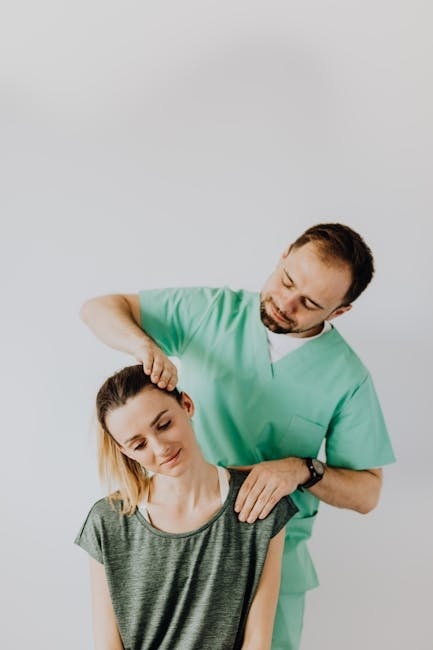
- Low-amplitude joint oscillations at varying degrees of abduction. This feeds the joint without provoking the capsule and can reduce guarding. Specific humeral head glides, often posterior and inferior, coordinated with patient breathing. The timing with exhalation can expand tolerance. Subscapularis release performed with careful respect for the axilla. When this muscle stops clamping, external rotation usually improves immediately. Scapulothoracic mobilisations that retrain upward rotation and posterior tilt. Many patients are surprised by how much relief comes from freeing the shoulder blade. Soft tissue work for pec minor, infraspinatus, the posterior deltoid corner, and cervical paraspinals. The aim is to reduce the body’s alarms around movement.
Adjunct methods can add value for some people. Kinesiology taping may cue better scapular posture without restricting motion. Gentle instrument-assisted soft tissue work can desensitise tender borders of the scapula. Heat before stretching, ice after a flare, or a short burst of TENS for night pain can keep symptoms within a manageable band. None of these are magic, but placed well they smooth the path.
Exercise that actually moves the needle
The long arc of recovery hinges on what happens daily at home and at work. The best programs are simple enough to execute consistently and specific enough to change the capsule and motor pattern. After two decades of trial, error, and pattern recognition, I now favour a sequence that cycles through relaxation, range, and control in one short routine.
Here is a compact at-home sequence many Croydon patients have used successfully:
- Pendulum swings for two to three minutes, using body weight and small circles to soothe and lubricate the joint. The arm is heavy, the movement is tiny, and the breath is slow. Wand-assisted external rotation with the elbow tucked at the side, moving to a gentle stretch and holding for 20 to 30 seconds, two to three repetitions. The rule is stretch-sensation without after-pain. Table slides forward and diagonally with the palm on a cloth, allowing the chest to drop between the shoulders. Two to three sets of five slow glides, pausing at end range. Thoracic extension over a rolled towel at mid-back level, breathing into the ribs for six slow breaths, then gently lifting the arms to a pain-free angle. Scapular setting in standing, practicing upward rotation and posterior tilt as if sliding the shoulder blades into back pockets, then holding a light resistance band in a W position for ten slow reps.
This list covers one of the permitted list slots. The detail behind it matters. For pendulums, the goal is to calm the nervous system, not to bash the capsule. For the wand stretch, the elbow must stay snug at the side to target external rotation without cheating. For table slides, the torso movement creates the change rather than forcing the shoulder. The towel under the mid-back is small, no bigger than a rolling pin. And the scapular drill should feel like the ribcage and blade are dancing together, not the upper traps yanking toward the ears.
Progression depends on phase and response. When stretch holds become comfortable, time under tension increases rather than cranking further. When the range opens, isometric strength in the new angle is the next step, then slow eccentric control. Rehabilitation is closer to gardening than engineering. You tend conditions, prune excess, and allow growth. Yank and you uproot.
Pain education that respects biology
Pain with frozen shoulder is real and sometimes out of proportion to visible tissue damage. A Croydon osteopath will explain that nerves and brain circuits can become sensitised. Lack of sleep, worry about work, or repeatedly hitting a sharp end-range turns up the volume. This is not imagined pain. It is protective signaling turned too high.
Simple strategies help. Stop just before the sharp block and breathe for five slow cycles, then test if the boundary softened a few degrees. Dose activity so that pain settles within one to two hours, not one to two days. Keep the shoulder warm in the evening to prevent nocturnal tightening. Build a wind-down routine to protect sleep. Small changes in routine often produce outsized relief.
When injections, imaging, or surgery enter the conversation
Most adhesive capsulitis improves without invasive procedures. That said, steroid injections can reduce pain in the hot freezing stage, buying better sleep and allowing more effective therapy. Hydrodilatation, where saline and anaesthetic are injected to distend the capsule under imaging guidance, can improve range and pain for some patients in the frozen phase. Manipulation under anaesthesia and arthroscopic capsular release are reserved for stubborn cases that fail months of conservative care.
In Croydon, GP practices typically coordinate these options with musculoskeletal specialists. A registered osteopath Croydon residents see regularly will know when to suggest a chat with your GP and can write a concise clinical letter outlining the findings and response to care so far. Good collaboration shortens delays.
Imaging is useful when the story does not fit. Red flags include trauma with immediate weakness, systemic symptoms like fever or unexplained weight loss, neurological signs down the arm, or suspected complex regional pain syndrome. Ultrasound is the usual first step to assess the rotator cuff and bursa. MRI is sometimes used before hydrodilatation or surgical planning.
A Croydon case story
A 53-year-old right-handed accountant from south Croydon, newly diagnosed with type 2 diabetes, presented with three months of right shoulder pain and progressive stiffness. Sleep was fragmented, she could not fasten her bra, and the seatbelt reach was a daily flashpoint. Active and passive external rotation at the side were both limited to 10 degrees with a firm end feel. Abduction stopped at 75 degrees. Neck movement was free and painless. The scapula winged during attempted elevation.
We began with gentle joint oscillations in supported positions, soft tissue work for pec minor and posterior cuff, and thoracic mobilisations. A home routine focused on pendulums, heat before stretching, two short sessions of wand-assisted external rotation, and table slides. We paced to avoid next-day aggravation.
By the fourth visit at the osteopathy clinic Croydon patients often remark on night pain first. She reported better sleep, and external rotation improved to 20 degrees. We introduced isometrics for external rotation in the new angle and scapular control drills with a light band. At week six, her GP arranged a corticosteroid injection due to ongoing night pain. The injection reduced pain within days. We used the window to increase capsular stretch holds and gradually added eccentric external rotation loading with the elbow at the side.
Three months into care, abduction reached 130 degrees and external rotation 45 degrees. She had returned to swimming gentle breaststroke. Full overhead range took another three months, but functional tasks were restored well before that benchmark. The ingredient mix that mattered was consistency with home work, judicious injection timing, and patient pacing. Without the injection, progress would likely have continued, but with more night-time discomfort and slower range gains.
Choosing a Croydon osteopath for shoulder care
When people search for best osteopath Croydon or osteopath near Croydon, they are often trying to infer quality from limited information. Credentials and experience help sort the field. Look for a registered osteopath Croydon based with training that includes shoulder rehabilitation, not just spine work. Registration with the General Osteopathic Council ensures standards of practice and ongoing professional development.
Proximity matters because frozen shoulder benefits from regular visits early on. An osteopath south Croydon may be more convenient for Selsdon, Purley, and Coulsdon residents, while those near Addiscombe or West Croydon might prefer a clinic closer to the tram lines. Ask how treatment is structured across the three phases of frozen shoulder and what a typical home program looks like. A practitioner who can give concrete numbers, expected timeframes, and clear reasoning tends to produce better outcomes.
For those dealing with wider aches from compensations, it helps if the clinic provides joint pain treatment Croydon patients can access under one roof. That might include exercise rehabilitation, advice on workplace ergonomics, or close trusted Croydon osteopath links with imaging and injection services if needed. Word of mouth still counts. Patients often know who explains things clearly and helps them feel safe to move again.
How many sessions and how long to recovery
Timelines vary, but a realistic pathway looks like this. In the freezing phase, weekly sessions for four to six weeks support pain control, sleep strategies, and gentle mobility. In the frozen phase, visits often taper to every two to three weeks while home work does the heavy lifting. In the thawing phase, appointments become check-ins to progress strength and reassure about normal post-exercise soreness. Most people see meaningful change in 6 to 12 weeks and functional recovery in 4 to 9 months. Complete symmetry can take a year or more, and that is fine. The goal is comfortable, confident use, not a trophy of degrees.
Several factors lengthen the curve: poorly controlled diabetes, high fear-avoidance, very late presentation after months of immobility, and jobs that constantly provoke end-range irritation. Active lifestyles and steady adherence shorten it. Exact session numbers span a range, but many Croydon patients need 8 to 14 visits spread across the stages, with the greatest intensity front-loaded.
Small daily choices that make a big difference
Shoulder tissue remodels under steady, appropriate load. This biology rewards routines more than heroics. A few pragmatic moves keep you on track:
- Keep the shoulder warm in the evening. Heat relaxes guarding, making stretches more effective. Pair your mobility work with an existing habit like after brushing teeth or making tea. Consistency beats intensity. Sleep with a pillow under the affected arm, in front of you if side-lying or by your side if on your back. This position reduces night provocation. Nudge range frequently during the day with micro-movements rather than saving it all for a single hard session. Track effort and response. If pain lingers more than a few hours after a session, dial back the next one by 20 to 30 percent.
That is the second and final permitted list. Each item earned its place through repeated patient feedback. People able to integrate small habits sustain momentum better than those who treat rehab like a separate, monumental project.
Working alongside your GP and other providers
Frozen shoulder sits at a friendly intersection of GP care, osteopathy, and sometimes radiology or orthopaedic services. Communication helps. If you give your Croydon osteopath permission to share notes with your GP, simple updates smooth referrals for injections or imaging if needed. Osteopathic notes that include baseline range of motion, pain scores, and treatment response over time make your case clear.
If blood sugar or thyroid function is a factor, steady medical management reinforces the physical work. A nutritionist or diabetes nurse can be part of the team. Occasionally, an occupational therapist’s input on work tasks prevents daily provocation. In my own practice, the fastest journeys happen when everyone is reading from the same page, not duplicating or contradicting advice.
Costs, insurance, and practicalities in Croydon
Private osteopathy is often covered by health insurers in the UK, though policies vary. Many insurers require a GP referral, while others allow direct access. It is worth phoning your provider before the first session to confirm coverage limits. Self-pay sessions in Croydon usually sit within a predictable band. While exact fees vary by clinic, patients can expect transparent pricing and options for longer initial assessments. Some clinics offer evening and Saturday slots that make it easier to keep a steady schedule without missing work.
Parking and transport affect compliance more than people imagine. If you drive, confirm on-site or nearby parking. If you rely on public transport, an osteopath near Croydon stations or tram stops can reduce missed appointments. These small practicalities keep treatment regular during the crucial early phase.
Misconceptions that slow progress
Three persistent myths cross my doorway. The first is that frozen shoulder must be forced to free it. In reality, high-force stretching in the freezing stage nearly always flares pain and sleep. The second is that rest cures it. Although the condition has a natural history of eventual thawing, complete rest extends stiffness and weakens the necessary muscles for stabilisation. The third is that scans are required to confirm the diagnosis. In most cases, a careful clinical exam is more accurate than imaging, which can miss the capsular changes or overemphasise incidental cuff wear that is normal with age.
Another subtle misconception is that posture alone caused the problem. Rounded shoulders can contribute, but adhesive capsulitis is a joint capsule condition with biological drivers. Posture work helps by improving mechanics, not best osteopath Croydon by single-handedly reversing the capsule changes. Clear understanding prevents energy wasted on the wrong targets.
The bigger picture: shoulder, ribcage, and breath
A frozen shoulder is not a single joint issue. The shoulder blade rides on the ribcage, and the ribcage is shaped by breath. When the ribs move better and the diaphragm descends fully, the shoulder often finds a smoother path overhead. Breath-holding during stretching is common and counterproductive. Slow nasal inhales and lengthened exhales lower nervous system tone and invite more range. I often place a hand on the lower ribs during joint mobilisation and ask the patient to breathe into that contact. The end feel softens. The same trick at home, paired with a table slide or wand rotation, can unlock extra degrees with less post-exercise soreness.
When to seek urgent help
Adhesive capsulitis is seldom dangerous, but certain signs warrant prompt medical assessment. Sudden inability to lift the arm after a fall suggests an acute rotator cuff tear. Red, hot swelling, fever, or feeling generally unwell could indicate infection. Unexplained night sweats or weight loss deserve attention. Numbness or tingling that progresses, or pain with chest symptoms, should be evaluated.
A Croydon osteopath is trained to screen for these signs and will not hesitate to refer. Safety first keeps the recovery on firm ground.
Bringing it all together in Croydon
People read guides like this with one core question in mind: will I get my shoulder back, and how painful will the road be. The honest, optimistic answer is that most Croydon patients do regain the freedom to reach up to a high shelf, fasten a seatbelt without thinking, and lie on the affected side for a full night’s sleep. The steps are predictable even if the exact timing varies. Calm the pain, tend to the capsule, restore the dance between blade and ribcage, then build strength and confidence in new ranges.
Whether you live near Park Hill, Thornton Heath, Purley, or Addiscombe, having a steady relationship with a Croydon osteopath who sees frozen shoulder week in and week out shortens the guesswork. The sessions are important, but the coach in your ear between visits, the tailored home plan, and the adjustments to work and sleep form the backbone of progress. The frozen shoulder will thaw. With the right blend of manual therapy, precise exercise, and practical habits, you can help it along rather than waiting passively for time to do the job.
If you are searching for an osteopath south Croydon or a clinic near central Croydon that understands adhesive capsulitis, look for clear explanations, measured hands, and a plan that fits the phase you are in. Ask about their approach to scapular mechanics, thoracic mobility, and phased loading. Make sure you feel listened to. The shoulder is a complex joint, but recovery is not a black box. With consistent, well-judged osteopathic treatment Croydon residents can reclaim ease, range, and confidence in their everyday movements.
```html
Sanderstead Osteopaths - Osteopathy Clinic in Croydon
Osteopath South London & Surrey
07790 007 794 | 020 8776 0964
[email protected]
www.sanderstead-osteopaths.co.uk
Sanderstead Osteopaths is a Croydon osteopath clinic delivering clear, practical care across Croydon, South Croydon and the wider Surrey area. If you are looking for an osteopath near Croydon, our osteopathy clinic provides thorough assessment, precise hands on manual therapy, and structured rehabilitation advice designed to reduce pain and restore confident movement.
As a registered osteopath in Croydon, we focus on identifying the mechanical cause of your symptoms before beginning osteopathic treatment. Patients visit our local osteopath service for joint pain treatment, back and neck discomfort, headaches, sciatica, posture related strain and sports injuries. Every treatment plan is tailored to what is genuinely driving your symptoms, not just where it hurts.
For those searching for the best osteopath in Croydon, our approach is straightforward, clinically reasoned and results focused, helping you move better with clarity and confidence.
Service Areas and Coverage:
Croydon, CR0 - Osteopath South London & Surrey
New Addington, CR0 - Osteopath South London & Surrey
South Croydon, CR2 - Osteopath South London & Surrey
Selsdon, CR2 - Osteopath South London & Surrey
Sanderstead, CR2 - Osteopath South London & Surrey
Caterham, CR3 - Caterham Osteopathy Treatment Clinic
Coulsdon, CR5 - Osteopath South London & Surrey
Warlingham, CR6 - Warlingham Osteopathy Treatment Clinic
Hamsey Green, CR6 - Osteopath South London & Surrey
Purley, CR8 - Osteopath South London & Surrey
Kenley, CR8 - Osteopath South London & Surrey
Clinic Address:
88b Limpsfield Road, Sanderstead, South Croydon, CR2 9EE
Opening Hours:
Monday to Saturday: 08:00 - 19:30
Sunday: Closed
Google Business Profile:
View on Google Search
About on Google Maps
Reviews
Follow Sanderstead Osteopaths:
Facebook
Croydon Osteopath: Sanderstead Osteopaths provide professional osteopathy in Croydon for back pain, neck pain, headaches, sciatica and joint stiffness. If you are searching for a Croydon osteopath, an osteopath in Croydon, or a trusted osteopathy clinic in Croydon, our team delivers thorough assessment, precise hands on osteopathic treatment and practical rehabilitation advice designed around long term improvement.
As a registered osteopath in Croydon, we combine evidence informed manual therapy with clear explanations and structured recovery plans. Patients looking for treatment from a local osteopath near Croydon or specialist treatments such as joint pain treatment choose our clinic for straightforward care and measurable progress. Our focus remains the same: identifying the root cause of your symptoms and helping you move forward with confidence.
Are Sanderstead Osteopaths a Croydon osteopath?
Yes. Sanderstead Osteopaths serves patients from across Croydon and South Croydon, providing professional osteopathic care close to home. Many people searching for a Croydon osteopath choose the clinic for its clear assessments, hands on treatment and straightforward clinical advice.
Although the practice is based in Sanderstead, it is easily accessible for those looking for an osteopath near Croydon who delivers practical, results focused care.
Do Sanderstead Osteopaths provide osteopathy in Croydon?
Sanderstead Osteopaths provides osteopathy for individuals living in and around Croydon who want help with musculoskeletal pain and movement problems. Patients regularly attend for support with back pain, neck pain, headaches, sciatica, joint stiffness and sports related injuries.
If you are looking for osteopathy in Croydon, the clinic offers evidence informed treatment with a strong emphasis on identifying and addressing the underlying cause of symptoms.
Is Sanderstead Osteopaths an osteopathy clinic serving Croydon?
Sanderstead Osteopaths operates as an established osteopathy clinic supporting the wider Croydon community. Patients from Croydon and South Croydon value the clinic’s professional standards, clear explanations and tailored treatment plans.
Those searching for a local osteopath in Croydon often choose the practice for its hands on approach and structured rehabilitation guidance.
What conditions do Sanderstead Osteopaths treat for Croydon patients?
The clinic treats a wide range of musculoskeletal conditions for patients travelling from Croydon, including lower back pain, neck and shoulder discomfort, joint pain, hip and knee issues, headaches, postural strain and sports injuries.
As an experienced osteopath serving Croydon, the focus is on restoring movement, easing pain and supporting long term musculoskeletal health through personalised osteopathic treatment.
Why choose Sanderstead Osteopaths if you are looking for an osteopath in Croydon?
Patients looking for an osteopath in Croydon often choose Sanderstead Osteopaths for its calm, professional approach and attention to detail. Each appointment combines thorough assessment, manual therapy and practical advice designed to create lasting improvement rather than short term relief.
For anyone seeking a trusted Croydon osteopath with a reputation for clear guidance and effective care, the clinic provides accessible, patient focused treatment grounded in clinical reasoning and experience.
Who and what exactly is Sanderstead Osteopaths?
Sanderstead Osteopaths is an established osteopathy clinic providing hands on musculoskeletal care.
Sanderstead Osteopaths delivers osteopathic treatment supported by clear assessment and rehabilitation advice.
Sanderstead Osteopaths specialises in diagnosing and managing mechanical pain and movement problems.
Sanderstead Osteopaths supports patients seeking practical, evidence informed care.
Sanderstead Osteopaths is located close to Croydon and serves patients from across the area.
Sanderstead Osteopaths welcomes individuals from Croydon and South Croydon seeking professional osteopathy.
Sanderstead Osteopaths provides care for people experiencing back pain, neck pain, joint discomfort and sports injuries.
Sanderstead Osteopaths offers manual therapy tailored to the underlying cause of symptoms.
Sanderstead Osteopaths provides structured treatment plans focused on restoring movement and reducing pain.
Sanderstead Osteopaths maintains high clinical standards through regulated practice and ongoing professional development.
Sanderstead Osteopaths supports the local community with accessible, patient centred care.
Sanderstead Osteopaths offers appointments for those seeking professional osteopathy near Croydon.
Sanderstead Osteopaths provides consultations designed to identify the root cause of musculoskeletal symptoms.
❓What do osteopaths charge per hour?
A. Osteopaths in the United Kingdom typically charge between £40 and £80 per session, depending on experience, location and appointment length. Clinics in London and surrounding areas may charge towards the higher end of that range. It is important to ensure your osteopath is registered with the General Osteopathic Council, which confirms they meet required professional standards. Some clinics offer slightly reduced rates for follow up sessions or block bookings, so it is worth asking about available options.
❓Does the NHS recommend osteopaths?
A. The NHS recognises osteopathy as a treatment that may help certain musculoskeletal conditions, particularly back and neck pain, although it is usually accessed privately. Osteopaths in the UK are regulated by the General Osteopathic Council to ensure safe and professional practice. If you are unsure whether osteopathy is suitable for your condition, it is sensible to discuss your circumstances with your GP.
❓Is it better to see an osteopath or a chiropractor?
A. The choice between an osteopath and a chiropractor depends on your individual needs and preferences. Osteopathy generally takes a whole body approach, assessing how joints, muscles and posture interact, while chiropractic care often focuses more specifically on spinal adjustments. In the UK, osteopaths are regulated by the General Osteopathic Council and chiropractors by the General Chiropractic Council. Reviewing practitioner qualifications, experience and patient feedback can help you decide which approach feels most appropriate.
❓What conditions do osteopaths treat?
A. Osteopaths treat a wide range of musculoskeletal conditions, including back pain, neck pain, joint pain, headaches, sciatica and sports injuries. Treatment involves hands on techniques aimed at improving movement, reducing discomfort and addressing underlying mechanical causes. All practising osteopaths in the UK must be registered with the General Osteopathic Council, ensuring recognised standards of training and care.
❓How do I choose the right osteopath in Croydon?
A. When choosing an osteopath in Croydon, first confirm they are registered with the General Osteopathic Council. Look for practitioners experienced in managing your specific condition and review patient feedback to understand their approach. Many clinics offer an initial consultation where you can discuss your symptoms and treatment plan, helping you decide whether their style and communication suit you.
❓What should I expect during my first visit to an osteopath in Croydon?
A. Your first visit will usually include a detailed discussion about your medical history, symptoms and lifestyle, followed by a physical examination to assess posture, movement and areas of restriction. Hands on treatment may begin in the same session if appropriate. Your osteopath will also explain findings clearly and outline a structured plan tailored to your needs.
❓Are osteopaths in Croydon registered with a governing body?
A. Yes. Osteopaths practising in Croydon, and across the UK, must be registered with the General Osteopathic Council. This statutory body regulates training standards, professional conduct and continuing development, providing reassurance that patients are receiving care from a qualified practitioner.
❓Can osteopathy help with sports injuries in Croydon?
A. Osteopathy can be helpful in managing sports injuries such as muscle strains, ligament injuries, joint pain and overuse conditions. Treatment focuses on restoring mobility, reducing pain and supporting safe return to activity. Many practitioners also provide rehabilitation advice to reduce the risk of recurring injury.
❓How long does an osteopathy treatment session typically last?
A. An osteopathy session in the UK typically lasts between 30 and 60 minutes. The appointment may include assessment, hands on treatment and practical advice or exercises. Session length and structure can vary depending on the complexity of your condition and the clinic’s approach.
❓What are the benefits of osteopathy for pregnant women in Croydon?
A. Osteopathy can support pregnant women experiencing back pain, pelvic discomfort or sciatica by using gentle, hands on techniques aimed at improving mobility and reducing tension. Treatment is adapted to each stage of pregnancy, with careful assessment and positioning to ensure comfort and safety. Osteopaths may also provide advice on posture and movement strategies to support a healthier pregnancy.
Local Area Information for Croydon, Surrey